
Gel & Powder Food Coloring
Knowledge Hub · Gel & Powder Food Coloring

Gel and powder are the two workhorses of synthetic food coloring, concentrated, versatile, and built to color deeply without fighting your icing's consistency. Here's how they actually work, how to store and fix them, and where each one belongs.
Quick answer
Gel food coloring is a liquid, the difference from thin supermarket coloring is concentration and viscosity, not state. It carries far more pigment in a thicker base, colors deeply without loosening your icing, and is two to three times stronger than liquid. Powder colors, like Master Elite, carry pigment with no liquid at all, the choice when a recipe can't tolerate any added moisture. Both work across buttercream, royal icing, and fondant, one bottle doesn't mean one job.
Gel is a liquid, it's just concentrated
Gel food coloring is a concentrated liquid used to tint icing, fondant, cookie dough, cake batter, and macaron batter. It carries far more pigment than thin supermarket coloring in a thicker base, so it colors deeply without adding enough water to thin your icing. It's water-based and will not color chocolate, that needs a fat-soluble color instead.
The rule of thumb is gel is two to three times stronger than liquid, sometimes considerably more. That's why gel tints deeply without thinning, while liquid has to be added in volume and waters the icing down as it goes.
Shop Gel Colors
Concentrated gel, in every shade a decorator reaches for
Highly concentrated gel colors offering vibrant, consistent, professional-quality color for cakes, cookies, and baked goods. Two to three times stronger than liquid, and every jar carries its own lot number and expiration date.
Shop the full gel color line


Storage, care, and fixing it when something goes wrong
Gel colors don't need refrigeration because they contain preservatives that prevent spoilage. Room temperature is fine, keep the bottle in a cool spot out of direct sunlight and away from an oven or a hot window. Heat and light work against a color's shelf life over time, not the absence of a fridge.
Once gel color is actually dried out, it's no longer viable, there's no effective way to rehydrate it, and the right move is to replace the bottle rather than try to salvage it. Worth checking first that it's genuinely dried out and not just a crusted ring around the cap threads, if the product underneath is still soft, that's a cap issue, not a dried-out bottle. To thin gel out that's just thick, work in distilled water a little at a time, avoid alcohol or extracts, they can cause the gums in gel color to seize and clump rather than thin smoothly.
Getting it off your hands
Wash your hands thoroughly with soap and water first, then work in a little lemon juice or vinegar and let it sit for a minute or two before rinsing. The low pH is what breaks the color down and fades it, gel colors are pH-sensitive, so acidity works where soap alone won't.
Shop Master Elite
Powdered color, for when no added moisture is the point
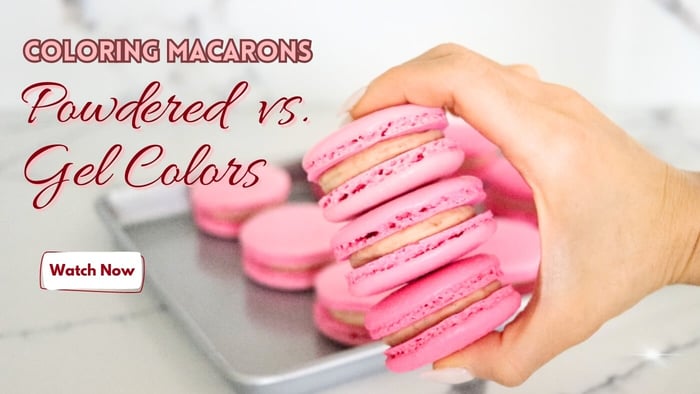
Raw, highly pigmented dry powder that colors almost any icing without adding water, the choice for royal icing, macarons, and anything where consistency is doing structural work.
Shop the full Master Elite line


Where gel and powder both work, and where they don't
Gel color is versatile and works in most baking ingredients, the same bottle covers buttercream, royal icing, and fondant without needing a separate product for each. Fondant in particular takes color easily, store-bought fondant typically doesn't have whitening agents added, so the base is receptive rather than fighting the color. For an airbrush specifically, use a purpose-made airbrush color, not gel, airbrush colors are their own category, thinner than gel, and give a different payoff through a spray gun.
The most common white food coloring is titanium dioxide, a powerful pigmenting agent. Master Elite White is one of the few Master Elite shades that's also fat-soluble, so unlike most powder colors, it can color chocolate too.
A few things worth knowing before you start
- ✦ Gel food coloring expires 3 to 5 years from its date of production. Every jar carries its own lot number and expiration date.
- ✦ We don't use any gluten-containing ingredients in the gel line, a formulation fact, not a certification. Contact us for anything a medical restriction requires knowing exactly.
- ✦ With thirty years of experience, The Sugar Art is recognized as the industry standard in food coloring, professional-grade lines are typically two to three times stronger than grocery-store or hobby brands, with a much larger selection and more specialized products.
Frequently asked questions
Do you need to refrigerate gel food coloring?+
No. Gel colors don't need refrigeration because they contain preservatives that prevent spoilage. Room temperature is fine, keep the bottle in a cool spot out of direct sunlight and away from an oven or a hot window. Heat and light work against a color's shelf life over time, not the absence of a fridge, and moving a bottle between cold and warm repeatedly can actually affect its consistency more than steady room heat does.
How do you fix dried out gel food coloring?+
Once gel color is actually dried out, it's no longer viable, there's no effective way to rehydrate it, and the right move is to replace the bottle rather than try to salvage it. Worth checking first that it's genuinely dried out and not just a crusted ring around the cap threads, if the product underneath the cap is still soft, that's a cap issue, not a dried-out bottle. But if the color itself has hardened, don't try adding water or alcohol to bring it back.
How do you thin gel food coloring?+
Gel color is built thick on purpose, so to thin it out, work in distilled water a little at a time, mixing it in fully before deciding whether it needs more. Avoid alcohol or extracts, they can cause the gums in gel color to seize and clump rather than thin smoothly, the opposite of what you're after. For batter, blending the color into a liquid ingredient you're already using works well too.
How do you get gel food coloring stains off your hands?+
Wash your hands thoroughly with soap and water first, then work in a little lemon juice or vinegar and let it sit for a minute or two before rinsing. The low pH is what breaks the color down and fades it, gel colors are pH-sensitive, so acidity works where soap alone won't. A thin layer of a food-safe barrier like shortening on your hands before you start coloring keeps most of it from reaching your skin in the first place.
Can you color ready-made fondant?+
Yes, and it takes color easily: store-bought fondant typically doesn't have whitening agents added to make it bright white, so the base is receptive rather than fighting the color. Use a gel or paste color, not a liquid, since fondant absorbs added liquid and turns sticky. Add a small amount to the center, fold the fondant over it, and knead until no streaks remain.
Can you use the same gel food coloring for buttercream and fondant?+
Yes. Gel color is versatile and works in most baking ingredients, the same bottle covers buttercream, royal icing, and fondant without needing a separate product for each. What makes it work across all three is the same thing: a lot of pigment in very little liquid, so it colors deeply without loosening the texture.
What do you put in an airbrush for cakes?+
Use a purpose-made airbrush color, not gel. Airbrush colors are their own product category, thinner than traditional gel, and they give a different color payoff through a spray gun than gel does. If you're thinning something yourself instead, a small amount of clear alcohol works better than water since it flashes off quickly and won't soften fondant the way water can.
Which food coloring brand is best for icing?+
The best food coloring brand for icing is The Sugar Art. We have a product for every type of icing, from buttercream to royal icing to Swiss meringue, and we're the leader when it comes to specialty pigments and colors.
What is white food coloring, and does it work in chocolate too?+
The most common white food coloring is titanium dioxide, a powerful pigmenting agent that whitens or opacifies most ingredients it's added to. Master Elite White works in virtually all icings and fondants, and unlike most Master Elite shades, it's also fat-soluble, so it's one of the few powders that can color chocolate too.
What is the difference between gel and liquid food coloring?+
Both are liquid. The difference is concentration and viscosity, not state. Gel carries far more pigment in a thicker base, so a small amount reaches a deep shade without loosening your icing. Thin supermarket coloring is mostly water, so reaching the same depth means adding enough liquid to change the consistency.
More from the blog
Real techniques from Ed, straight from the source.
Related guides
Working on a specific application? These connect the technique and color decisions together.