
How to Make Natural Red Food Color
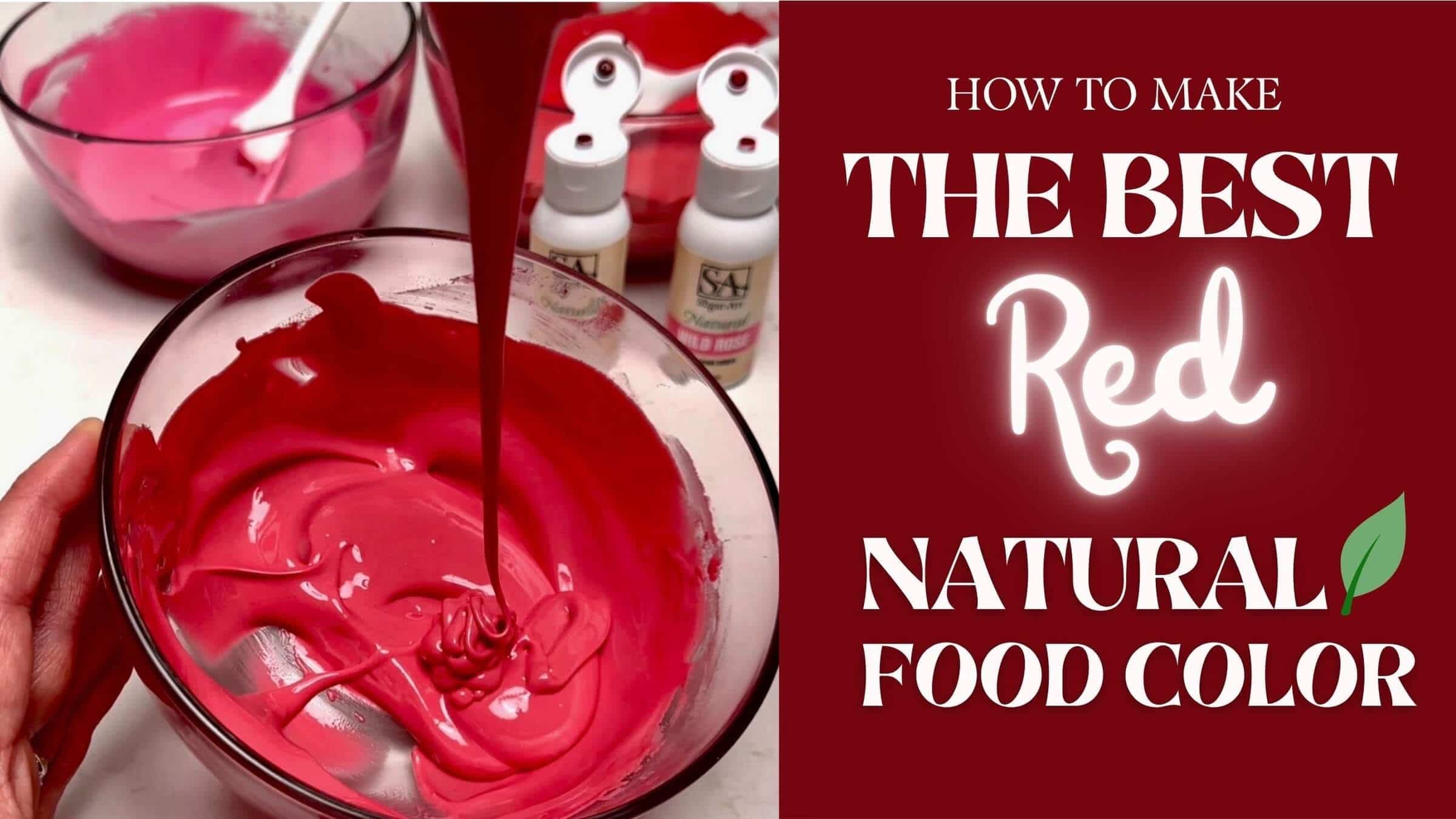
Learn Ed Frys' favorite natural red food color hack for achieving a brighter, more vibrant red icing - which includes two of his favorite Natural Colors: Wild Rose and Dahlia
Creating a true natural red food color can be one of the biggest challenges cake and cookie decorators face, especially when using Natural Food Colors. If you've worked with botanical colors before, you already know that natural reds behave differently than synthetic reds. They require more added pigmentation to icings than synthetics and heavily react to pH levels.
But what if those limitations could actually become an advantage?
That's exactly what Ed Frys, President of The Sugar Art and professional color maker, demonstrates in this color experiment using two of our most popular natural gel colors: Wild Rose and Dahlia.
By combining these two botanical colors, Ed discovered a simple technique that creates a richer, brighter, and more vibrant natural red food coloring than either color can achieve on its own.
Why Natural Red Food Coloring Is Difficult
Red has always been one of the most challenging colors to create naturally and also -synthetically.
This is why Ed's Red Rose Synthetic Gel and Master Elite are both so incredibly popular in this industry. He taps into the missing piece of red icing, and that always included incorporating a vivid pink (Red 3) into his formula. But as many of you know, with the delisting of Red 3 this coming January of 2027 - Ed has swiftly changed focus to natural colors, as this is what the United States FDA continues to encourage everyone to do. But - back to the natural red topic we are here to discuss and get EXCITED ABOUT today!
When reviewing straight natural red pigments and their undertones, you will see many shift toward burgundy, purple, or pink depending on:
pH levels mostly
Light exposure
Ingredient composition
And, Pigment concentration
This doesn't mean natural colors perform poorly. It simply means they behave differently than synthetic colors.
At The Sugar Art, we believe understanding these natural characteristics allows decorators to create more beautiful colors—not less.
Meet the Colors for Ed's Natural Red Food Color Formulation
Dahlia Natural Gel Color
Dahlia is one of our favorite natural reds.
Made from botanical pigments such as Beet and Paprika, Dahlia produces a beautiful red tone on it's own - however, Ed discovered that pairing it with Wild Rose unlocks even more potential.
Wild Rose Natural Gel Color
Wild Rose is a bright, vibrant pink with exceptional intensity - the base, purple sweet potato.
Compared to Dahlia, Wild Rose appears sharper and brighter. It brings a lively pop of color that makes it a fantastic partner when creating stronger red tones.
Wild Rose also has a slightly lower pH profile, which can help improve overall color performance when blended with Dahlia.
Ed's Natural Red Food Coloring Hack
During this video below (please watch!), Ed teaches us to look at natural colors differently. Instead of focusing on their limitations, he encourages decorators to use those limitations strategically.
His goal?
Take the strengths of Dahlia and combine them with the strengths of Wild Rose, resulting in the BEST natural red food color in our industry!
The result is a more vibrant natural red that is especially beautiful for holiday cookies, Valentine's Day treats, and any project requiring a classic red color.
The Recipe for Ed's Best Natural Red:
For approximately 100 grams of royal icing:
15 drops Dahlia Natural Gel Color
10 drops Wild Rose Natural Gel Color
This creates a ratio of roughly 2 parts Dahlia to 1 part Wild Rose.
Mix thoroughly until fully incorporated.
Natural Red Food Color Bundle
$24.00
Learn how to make the BEST Natural Red Food Color by combining these two colors. CLICK HERE FOR FULL TUTORIAL EXP DATE OF TWO COLORS WILL DIFFER, AS THEY ARE PRODUCED AT DIFFERENT TIMES. SEE EACH INDIVIDUAL PRODUCT LISTING FOR… read more

Why This Combination Works
The science behind this blend is surprisingly simple.
Dahlia provides the foundational red tone, with the beet red being incredibly pigmented.
Wild Rose contributes a sharper, brighter pink pigment that increases visual intensity.
According to Ed, Wild Rose's slightly lower pH also helps improve overall color performance, allowing the final blend to appear brighter and more vibrant overall.
In other words:
Dahlia supplies the deep red tone.
Wild Rose supplies the pop.
Together they create a more balanced natural red food coloring.
But understanding why this blend works also helps explain something many customers ask us.
Why We Don't Bottle This Color Combination
"If Wild Rose and Dahlia create such a beautiful red, why doesn't The Sugar Art simply bottle them together?"
Well, let's start by listening to Ed The Cake Guy Himself! Watch this video here and then we'll discuss more:
The ultimate answer to this question comes down to something Ed calls "botanical pigment resistance."
When working with synthetic food colors, manufacturers have a significant advantage. Synthetic pigments are specifically designed to be stable, predictable, and highly resilient (accepting) to change. They can typically be blended together without worrying about color degradation, fading, or instability.
Natural colors are different. Different botanical ingredients are more resistant against one another.
Natural food colors are made from botanical ingredients, and each ingredient has its own strengths, weaknesses, and environmental sensitivities. Every pigment reacts differently to factors such as pH, light exposure, and varying degrees of heat.
This means that creating a natural color is not simply a matter of mixing two colors together and putting them in a bottle.
If Ed were to bottle both beet and purple sweet potato together in his Natural Gel formulation, the beet would precipitate out over time - leaving the color to be more wild rose (hot pink) in the end. Which cancels the entire goal. More discussed below. Actively combining the two colors as you mix them together in your icings, helps stabilize everything in real time.
Understanding Wild Rose
Wild Rose is built around Purple Sweet Potato pigments.
While Purple Sweet Potato is relatively stable, its color is highly influenced by pH. In more alkaline environments, the pigment can shift toward blue and purple tones.
This characteristic is part of what gives Wild Rose its beautiful brightness and sharpness.
Understanding Dahlia
Dahlia relies heavily on beet-derived pigments.
Beets provide incredible color strength and contribute much of the rich red appearance found in Dahlia. However, beet pigments are sensitive to acidic conditions.
Over time, if the environment becomes too acidic, beet pigments can begin to break down.
When this happens, the vibrant red contribution from the beets decreases, leaving behind more of the underlying pink tones.
Why We Blend Them Fresh
When decorators combine Wild Rose and Dahlia directly into icing, they benefit from the strengths of both colors immediately.
The beet pigments provide strong red intensity.
The Purple Sweet Potato pigments contribute brightness and sharpness.
Together, they create a more vibrant and balanced red.
If these ingredients were permanently bottled together, the natural interaction between the pigments would unquestionably reduce the performance that makes the blend so successful in the first place. - Ed FrysReview Ed's in-depth blog about Natural Colors and what you can expect HERE. This is an incredible post.
Final Thoughts
One of the most exciting things about natural food coloring is that there is always more to discover.
This simple combination of Wild Rose and Dahlia proves that natural colors aren't limited—they simply require a different approach. By understanding how botanical pigments interact with one another, decorators can create vibrant shades that rival many traditional color systems.
If you're searching for a beautiful natural red food coloring, give Ed's Wild Rose and Dahlia blend a try.
You may just discover your new favorite red.
Shop the Colors
Wild Rose Natural Color
$12.00
🌸 Wild Rose – Natural Food Color by The Sugar Art Bring a touch of vibrance to your confections with Wild Rose, a luminous hot pink inspired by the untamed beauty of fresh garden blooms. This natural food color radiates… read more

Dahlia Natural Color
$12.00
🌿 Dahlia – Natural Red Food Color by The Sugar Art Add a touch of nature’s romance to your confections with Dahlia, a stunning soft red-pink hue inspired by the delicate petals of its namesake flower. Crafted entirely from botanical… read more

Create. Experiment. Learn. And most importantly—have fun with color.